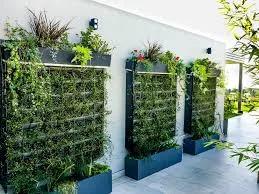
Rooftop & Vertical Gardens
Rooftop garden design and installation for apartments, offices, and penthouses in Nairobi. Green Boma transforms concrete rooftops and bare walls into lush green spaces using lightweight planting systems, artificial turf, and living walls
Green Spaces Above the City
As Nairobi's skyline grows upward, rooftop gardens, balcony gardens, and vertical living walls are transforming unused concrete surfaces into vibrant, functional green environments. Green Boma designs and installs elevated and vertical green spaces for residential apartments, commercial office buildings, hotels, restaurants, and penthouses across Nairobi.
A rooftop garden reduces the urban heat island effect, provides thermal insulation, creates usable outdoor space, supports biodiversity, and can produce food through rooftop urban farming. It also adds tangible property value in Nairobi's competitive real estate market.
Our Services
Rooftop Garden Design & Installation
Complete rooftop gardens on flat concrete rooftops and accessible roof decks — post structural load assessment, using lightweight growing media and modular raised beds.
Balcony & Terrace Gardens
Bespoke balcony gardens using lightweight containers, vertical planters, artificial turf, and species suited to elevated, windier conditions.
Vertical Living Walls
Wall-mounted modular planted panels for interior and exterior walls — corporate reception areas, hotel lobbies, restaurant interiors, and building facades.
Urban Rooftop Farming
Productive vegetable, herb, and fruit systems for restaurants, hotels, and residential communities seeking farm-to-table growing space.
Key Features
Structural load assessment before every rooftop installation
Rooftop gardens add weight to a building — wet growing media, containers, paving, and people. Before designing any rooftop installation, we conduct or commission a structural load assessment to confirm the roof slab can safely support the proposed system. This is not optional — it is the first step of every rooftop project. We work with structural engineers where formal load calculations are required for larger installations.
Lightweight growing media and modular systems to minimise structural load
We specify lightweight expanded clay, pumice, or perlite-based growing media that provide excellent drainage and root support at a fraction of the weight of conventional garden soil. Modular raised bed systems distribute load evenly across the roof slab rather than concentrating it at single points. These systems allow us to create lush, productive planting on rooftops that conventional garden construction methods could not support.
Artificial turf and container gardens for balconies and terraces
Artificial turf is one of the most practical and attractive solutions for balcony flooring in Nairobi — lightweight, self-draining, comfortable underfoot, and requiring zero maintenance beyond occasional brushing. Combined with thoughtfully chosen container planting, artificial turf transforms a concrete balcony into an outdoor room that feels connected to nature regardless of the floor it occupies.
Living wall systems with integrated drip irrigation
A living wall without integrated irrigation is a living wall that will fail. Every vertical garden system we install includes a drip irrigation network built into the panel structure, delivering water directly to each planting cell. Irrigation is connected to an automated timer and can be managed via smartphone app — ensuring the wall remains consistently hydrated even when the building's occupants are travelling.
Urban farming and productive rooftop garden design
Nairobi's restaurants, hotels, and conscious residential communities are increasingly interested in growing food above the city. We design rooftop farming systems using raised beds, grow bags, and hydroponic troughs to produce vegetables, herbs, and leafy greens. Crops that perform particularly well on Nairobi rooftops include tomatoes, kale, sukuma wiki, spinach, capsicum, herbs, and climbing beans.
Waterproofing and drainage integration — building envelope protection
The building envelope — the roofing membrane that keeps water out of the structure — must never be compromised by a garden installation. We install drainage boards and permeable growing media above the existing membrane, channel roof drainage through the designed outlets, and waterproof all penetrations and edging details. Where existing roof membranes need repair or upgrading before a garden can be installed, we coordinate specialist waterproofing contractors.
Wind and sun exposure analysis for every elevated garden
Rooftop and balcony environments are fundamentally different from ground-level gardens. Wind speeds are higher at elevation. Sun intensity is greater without surrounding shade trees and buildings. Evaporation rates from containers are accelerated. Our site analysis for every elevated garden includes a wind exposure assessment and sun intensity mapping — informing plant selection, irrigation design, and the placement of windbreak and shade elements.
Plants selected specifically for elevated Nairobi conditions
Many plants that thrive at ground level in Nairobi struggle in rooftop environments due to wind desiccation, elevated sun intensity, and restricted root volumes. We specify plants proven to perform in these conditions — including drought-tolerant ornamental grasses, lavender, rosemary, sedums, hardy tropical foliage plants, and wind-resistant flowering shrubs. Our plant lists are built from direct experience of rooftop planting performance in Nairobi's specific climate.
How It Works
Initial consultation — space requirements, vision, and budget discussion
We begin with a conversation about your vision for the elevated space — whether that is an entertainment terrace, a productive growing garden, a green visual feature, or a private retreat. We establish what you want the space to deliver functionally and aesthetically, discuss your budget range, and identify any specific constraints (access limitations, neighbour considerations, existing services on the roof) before proceeding to a site assessment.
Structural and waterproofing assessment of the roof or wall surface
Our team visits the rooftop or balcony and conducts a structural assessment — evaluating the slab thickness, construction type, and visible condition, and calculating the estimated load capacity against our proposed system weights. We inspect the existing waterproofing membrane for condition and integrity. Where formal structural sign-off is required, we engage a qualified structural engineer and include this cost in our project proposal.
Design development — layout, planting plan, and irrigation specification
With a confirmed structural and waterproofing picture, we develop the garden design — specifying the layout of all planted areas, turf zones, furniture positions, shade structures, and access routes. We produce a planting plan with specific plant species suited to the elevated exposure conditions, and specify the irrigation system type, zone layout, and controller requirements.
Drainage design and waterproofing integration
Before any growing medium or container is installed, drainage must be correctly designed and in place. We install drainage boards over the existing roof membrane, position drainage channels to direct water to the existing roof outlets, and waterproof all upstands, edges, and any structural fixings. Correct drainage installation is the difference between a rooftop garden that protects the building and one that eventually causes leaks.
Modular planting system and lightweight substrate installation
Modular raised bed frames or green roof cassettes are installed in the designed positions, levelled carefully on the drainage board surface. Lightweight growing medium is placed in stages, consolidated to the correct depth for the plant types specified. Container plants are positioned in their designated locations and secured against wind displacement where required by the exposure assessment.
Planting, turf laying, and feature element installation
All plants specified in the planting plan are installed in their designated positions. Artificial turf is laid on prepared areas with drainage-compatible sub-base where required. Decorative elements — boulder placements, screening panels, outdoor furniture, shade sails or pergola structures — are installed and secured. The space is reviewed against the design drawing to ensure completeness and accuracy.
Irrigation commissioning and automated controller programming
The integrated drip irrigation system is commissioned zone by zone — checking all emitters for correct flow, testing automated valve sequencing, and programming the controller with initial watering schedules calibrated to the plant types and current season. Where smart controllers are installed, the mobile app is configured and demonstrated. The system is run through a full cycle before handover.
Client handover with maintenance guide and seasonal care calendar
We walk you through the completed garden — the irrigation system operation, the plant care requirements for each species, the seasonal replanting calendar for annual plants, and the maintenance schedule for living walls and container gardens. You receive a written maintenance guide tailored to your specific installation, including contact details for Green Boma's rooftop maintenance team.
Why GreenBoma
Specialist knowledge of rooftop conditions unique to Nairobi's climate and altitude
Structural safety is always the first consideration
we never install on an unassessed roof
Rooftop spaces add genuine property value in Nairobi's competitive real estate market
Lightweight systems designed to work within standard Nairobi building load ratings
Full project coordination
we manage structural engineers and waterproofing contractors
Portfolio of completed rooftop and balcony gardens in Nairobi available on request
Ongoing maintenance contracts to keep elevated gardens performing year-round
Common questions
Can any Nairobi rooftop support a garden?
What plants work best on Nairobi rooftops?
Can I grow vegetables on my Nairobi rooftop?
How much does a rooftop garden cost in Nairobi?
Is irrigation needed for a rooftop garden?
Do living walls work indoors in Nairobi?
Can you install artificial turf on a balcony?
How do you protect the roof waterproofing during installation?
Request a Quote
Get a bespoke estimate for rooftop & vertical gardens from our experts.
Chat with us
Ask us on WhatsApp